
Fashion's traceability systems will fail under new regulations, argues Transformers Foundation
New paper, The End of Fiction, examines the structural mismatch between current sustainability claims and the evidence standards now being enforced by EU and US regulators.
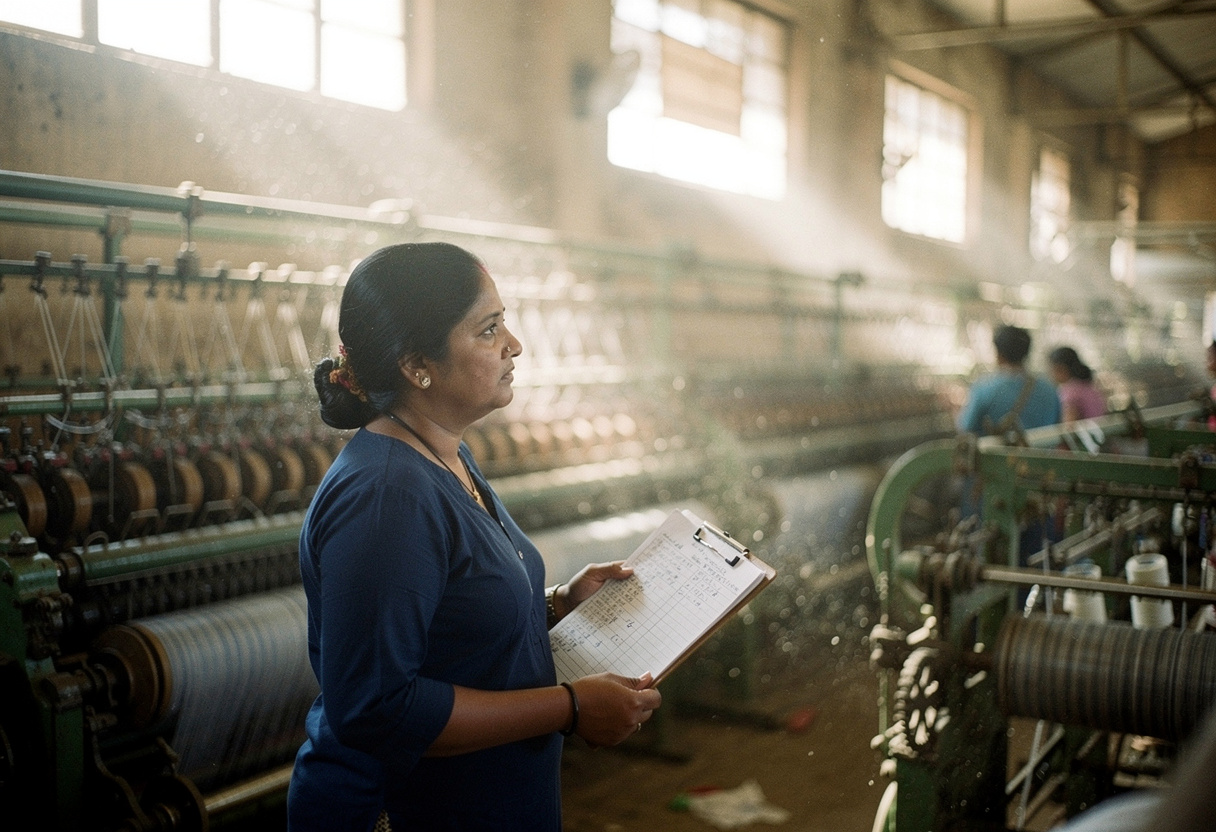
The fashion industry has spent two decades building its sustainability credentials on documentation. According to a new paper from Transformers Foundation, almost none of it now counts as evidence under the laws being enforced against it.
The paper, titled The End of Fiction, sets out a structural problem with the traceability systems most major brands and suppliers rely on. Across every major fibre category, from cotton and wool to recycled polyester and leather, the report argues that material identity is destroyed long before any traceability software begins recording it. The implication, the authors write, is straightforward. Most current claims about origin, recycled content, and material composition are paperwork claims, not material ones.
What the paper finds
The report's three structural findings cut across every major fibre category:
Recycled polyester is chemically indistinguishable from virgin polyester after polymerisation. No instrument can tell them apart, which means every recycled claim made downstream of that step depends entirely on documentation.
Most fibre labels are printed months before production. Origin, fibre composition, and recycled content are committed to before any of it physically exists.
Bale IDs and lot numbers, often treated as origin records, are logistics codes for grade, moisture, and yield. Regulators do not accept them as proof of origin.
Enforcement has caught up
The paper arrives at a moment when enforcement has accelerated sharply on both sides of the Atlantic. Over 10,000 shipments were detained at US ports under the Uyghur Forced Labor Prevention Act in 2025 alone. The UFLPA restricted entities list has expanded to 144 companies, 78 of them added in the last twelve months. In the European Union, Green Claims Guidance issued in December 2025 has made vague or unsubstantiated environmental claims illegal, with documentation no longer accepted on its own as substantiation. The principle underpinning both regimes is identical. A claim must be tied to the physical product, not the paperwork describing it.
[Quote from a team member at TF].
[Name], [Role], Transformers Foundation
From sustainability investment to enterprise risk
The End of Fiction draws a distinction between what it calls documented traceability, the systems most of the industry currently operates, and evidence-based traceability, the standard regulators are now applying. Certifications, audits, digital twins, and supplier declarations remain useful, the authors write, but no longer constitute proof on their own. Evidence, in the regulatory sense, must be physically anchored to the material itself, independently verifiable, and capable of withstanding scrutiny under what UFLPA calls a clear and convincing evidence standard.
For brands and importers, the implications are commercial as much as compliance-related. The report points to detention exposure, inventory write-downs, missed selling windows, insurance scrutiny, and litigation risk as the practical cost of unverifiable claims, regardless of where those costs appear on the balance sheet. Traceability, the paper concludes, has crossed from sustainability investment into enterprise risk territory, whether finance teams have priced it yet or not.
Read The End of Fiction in full. Press are invited to contact Transformers Foundation directly for briefings, interview requests, and supporting commentary.
About Transformers Foundation
Transformers Foundation was founded to provide a thus-far missing platform to the jeans and denim supply chain, and a central point of contact for consumers, brands, NGOs, and media who want to learn more about ethics and sustainable innovation in the industry. The Foundation publishes research, hosts industry convenings, and works to raise the standard of evidence and accountability across the global fibre supply chain.
Comments